
Houses and plots in Leon - buy, sell or rent easily

Plots according to the most sought-after characteristics of Leon (Province)


- Urban 35
- Developable 13
- Non developable 47


Most popular types of houses in Leon (Province)



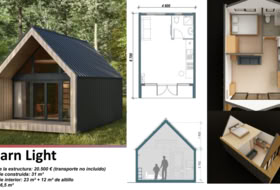
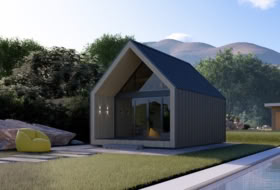



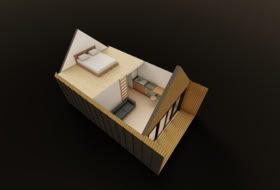
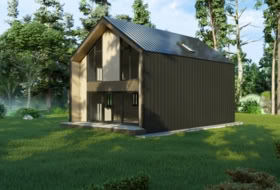
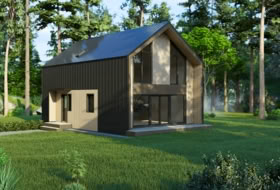
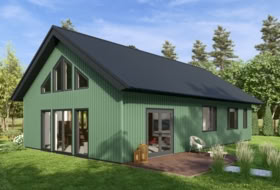
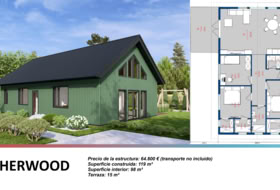
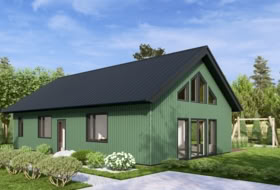
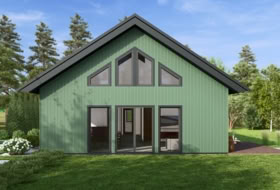
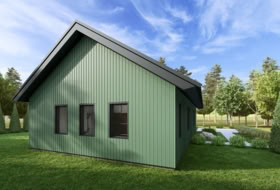
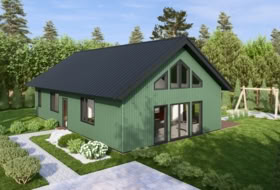
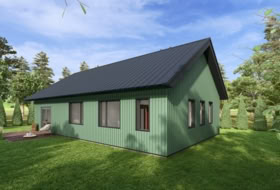

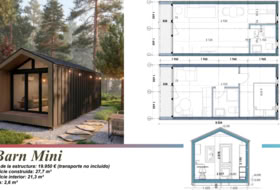
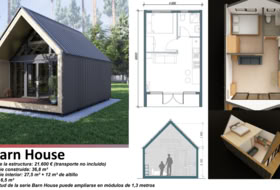
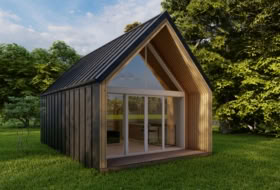
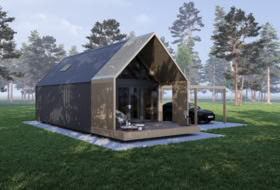
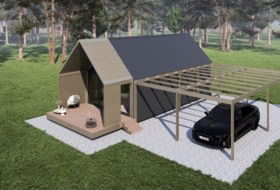
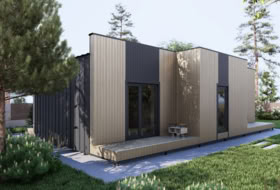
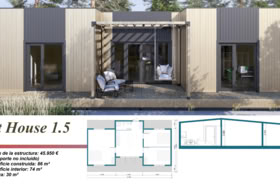
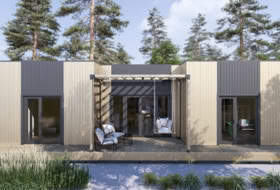
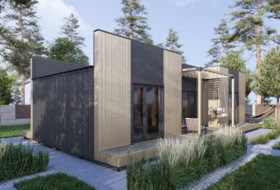
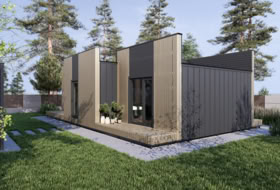
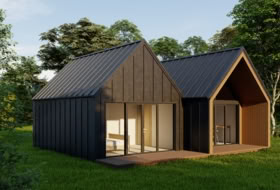
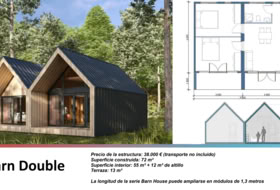
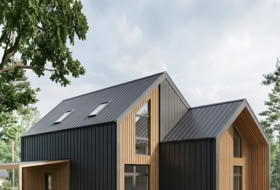
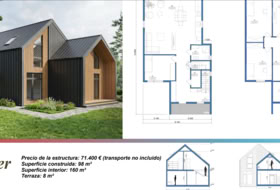
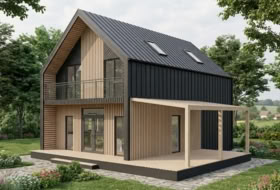
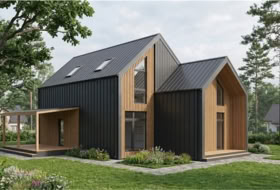
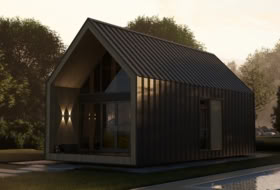
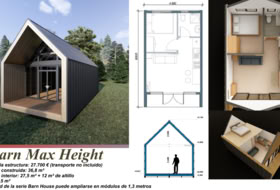
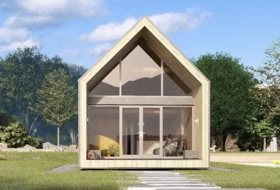
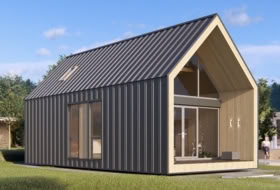

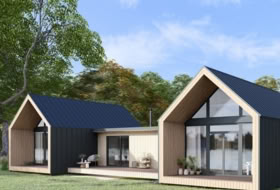
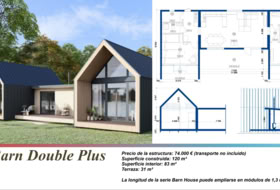
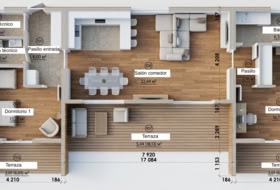
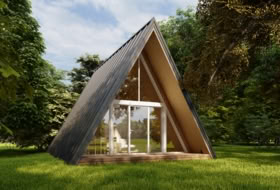
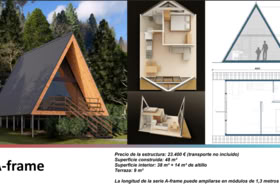
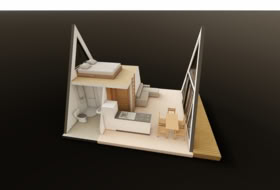
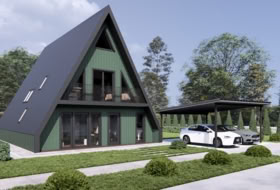
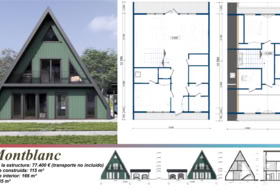
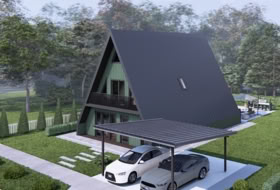
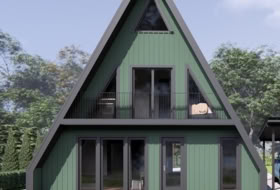
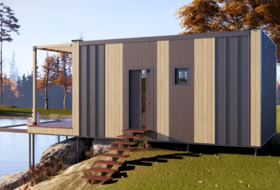
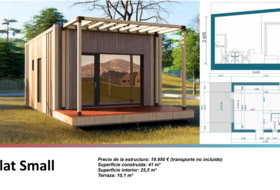
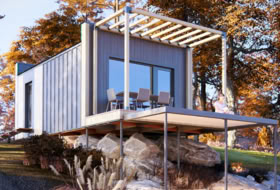
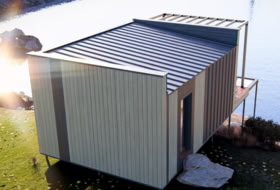
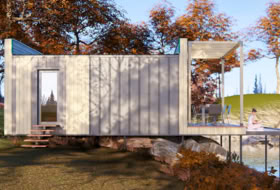
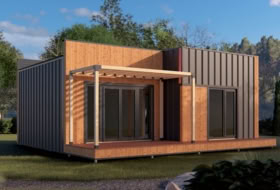
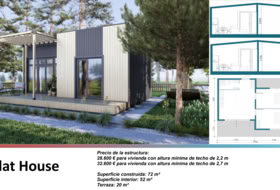
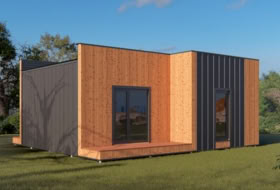
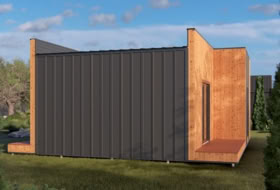
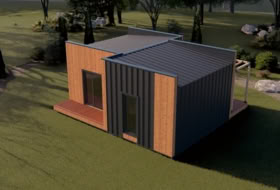
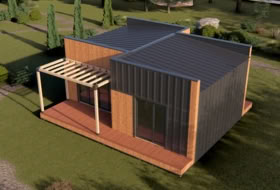
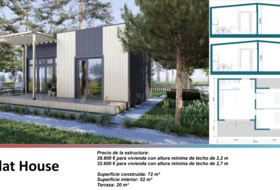
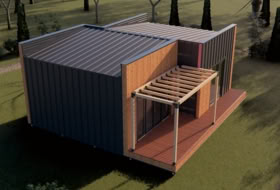
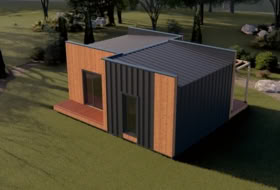
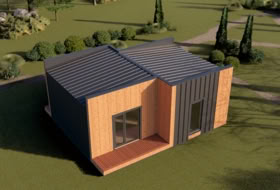
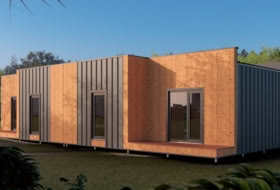
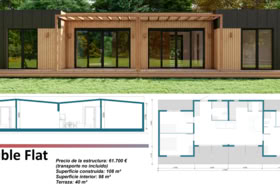
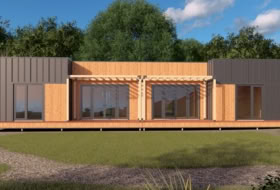
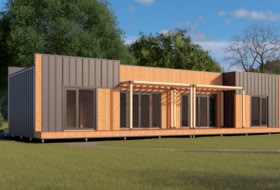
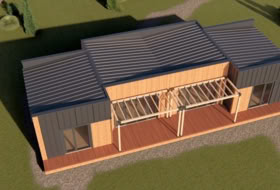
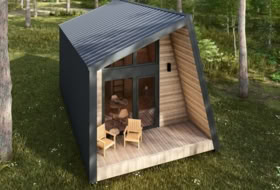
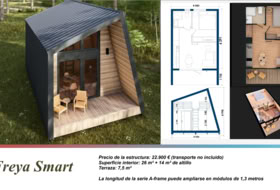
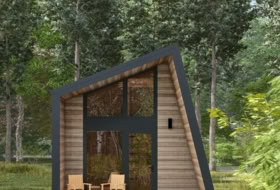
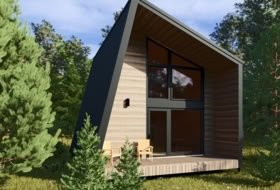
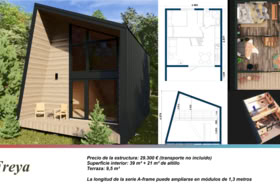
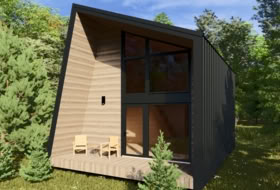
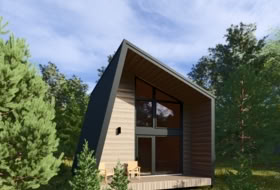
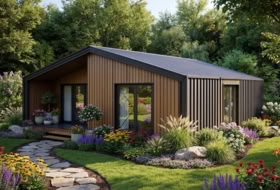
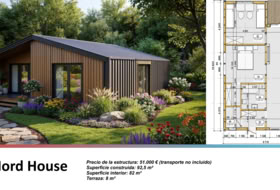
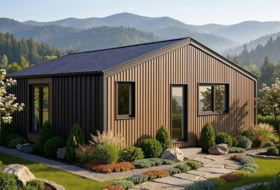
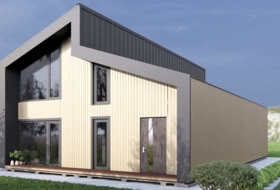
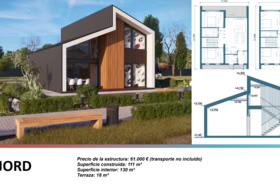
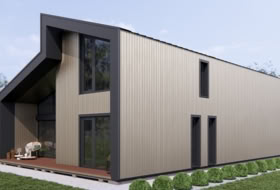
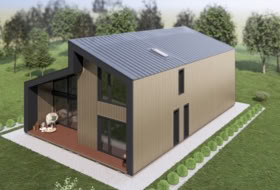
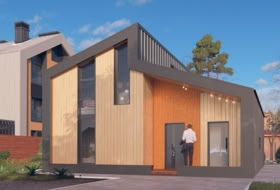
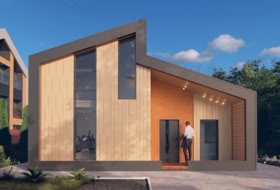


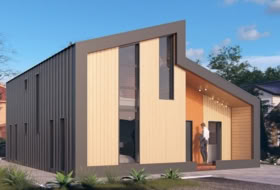


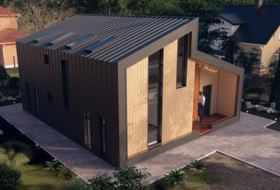
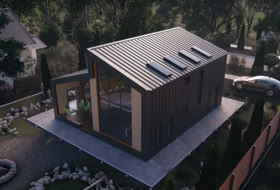

Novelties: Latest announcements of land and houses for sale in Leon (Province)
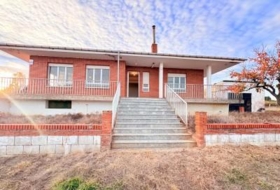
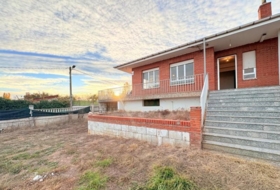
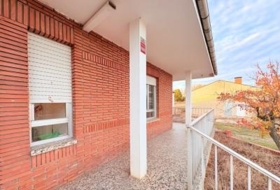
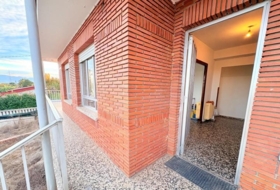
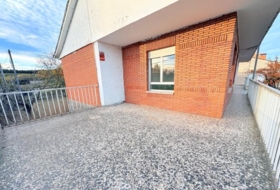
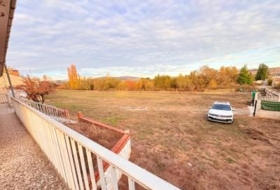
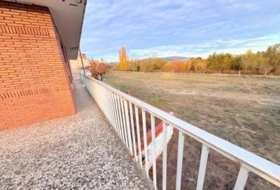


 +4
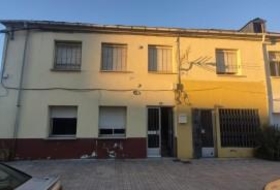
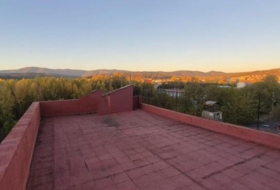
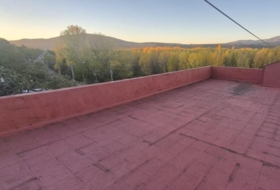
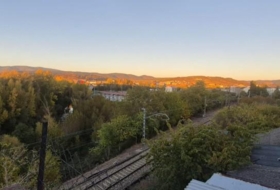
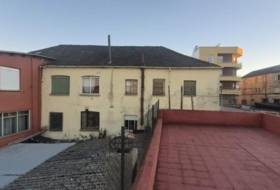
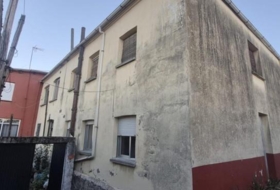
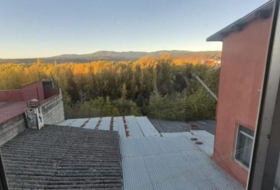
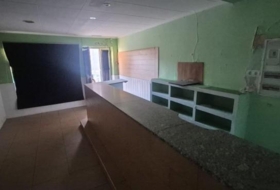

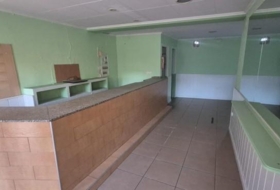
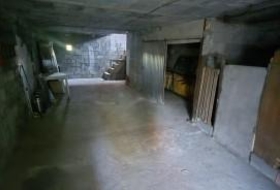
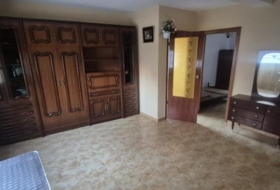
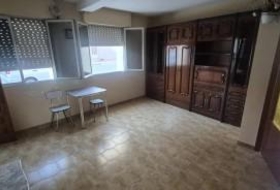
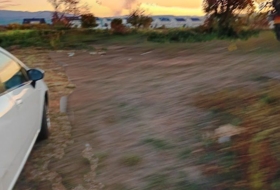
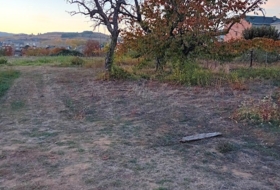
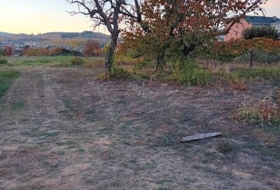
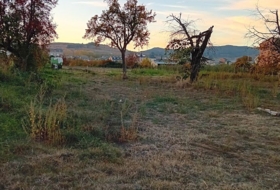
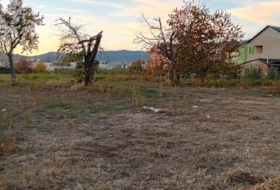
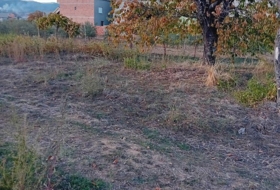
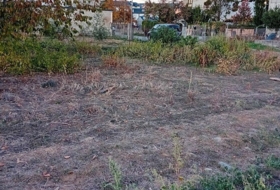
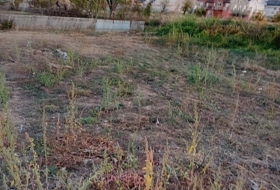
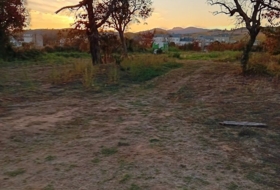
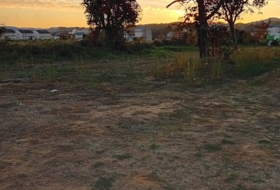
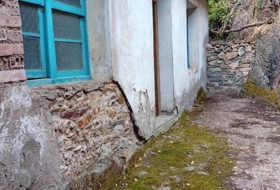
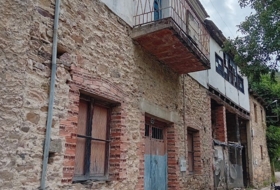


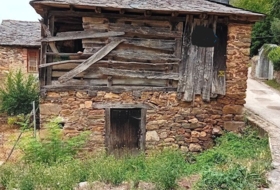
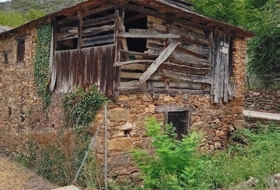
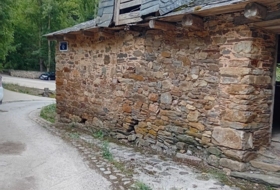
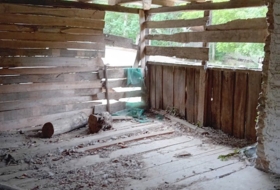
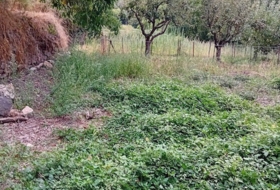
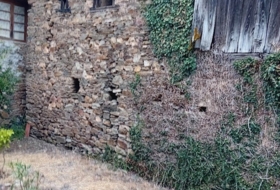
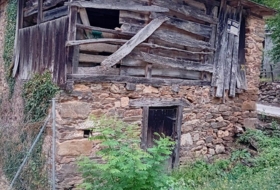
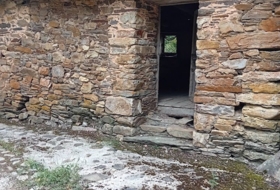
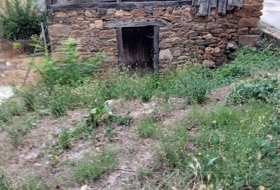
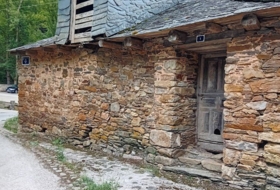
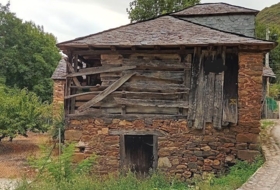
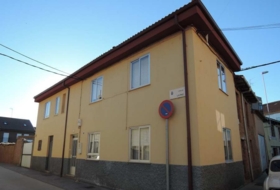
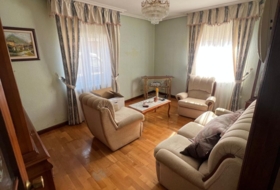
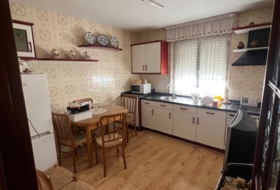
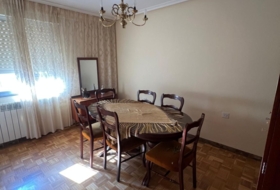
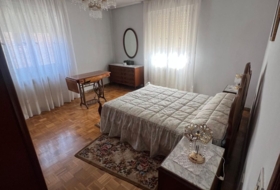
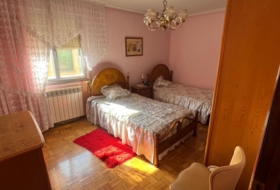
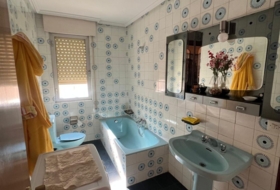
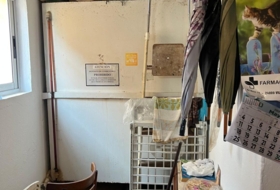
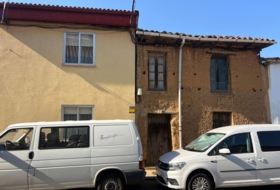
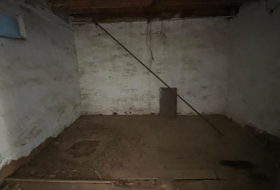
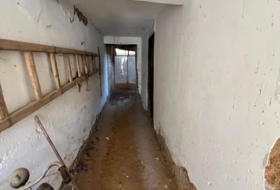

 +5
Where to buy land in León
The price of urban land in the province is among the lowest in the whole of Castile and León. The cheapest plots of land in León are located in towns such as Astorga, Chozas de Abajo and El Carril. Other towns with affordable properties are La Baña, Villademor de la Vega and San Andrés del Rabanedo.
Interestingly, the city of León and nearby towns also register the highest plot prices. The capital is followed by Ponferrada and La Bañeza and then by Valencia de Don Juan, Calzadilla de los Hermanillos, Robledo de la Valduerna, Villaquilambre, Lorenzana and Villeza. As for developable land, its situation is very similar to that of urban land: it is scattered throughout the province, but most of it is concentrated in the capital.
Economic development evolving from agriculture to the service sector
The province of León is located in the northwest of Castile and León. It covers an area of 15,581 km² and is the second most populated province of the Autonomous Community, with around 450,000 inhabitants, half of whom live around León and Ponferrada.
More than 50% of its total area lies above 1,000 metres, so it has a continental Mediterranean climate with Atlantic influence. Temperature ranges are wide: winters are long and cold, with snow and frost (which prevent some fruit and vegetable crops from being grown in the highest, most mountainous areas), while summers are short and hot.
The economy is based on services, construction, industry, energy and the primary sector. In the past, the latter was the most important in the region, but over time, as in the rest of Spain, services and commerce have taken the lead. In fact, foreign trade is important in León, which exports capital goods and non-chemical semi-finished goods.
The decline of traditional activities has not been offset by other economic sectors. Even so, construction, agro-industry and energy stand out.
The pharmaceutical industry, which dates back several centuries, has been joined by new companies. In the textile sector, a few long-established companies survive.
Most industrial land has been developed around León and Ponferrada, in the industrial parks of Onzonilla, Villadangos, El Bayo and Bembibre.
Agriculture adapts to change
The province has more than 1,300,000 hectares of rural land, whose value has increased in recent years, used for pasture, arable crops, fodder, forestry and livestock. Most farms are smallholdings.
Thanks to its reservoirs and irrigation channels, it is possible to grow fruit trees (apple, pear and cherry trees) and irrigated crops (especially in El Páramo), such as sugar beet, potatoes, beans, hops and sunflowers. Maize is also grown on more than 70,000 hectares, with modern irrigation systems and high yields. There are also dryland crops such as vineyards and cereals (wheat, barley, rye and oats). In addition, protein crops are now an interesting alternative.
León is among the leading provinces in cattle farming, especially dairy. Sheep come next, followed by goats, also raised for milk. Pig farming, on the other hand, ranks last in the region. Poultry farming and beekeeping are booming, as facilities are being modernised and younger professional farmers are opting for these activities.
A diverse forest area
León's terrain is divided into three zones: the mountains (in the north and part of the western third), the plains (in the south and the eastern third) and the basins, or hoyas (in the western third). This means a great diversity of landscapes of great natural and cultural richness, between the mountains (La Montaña) and the plateau (La Meseta). Throughout the province there are protected natural areas, many of them designated as Biosphere Reserves.
As a result, settlements have adapted to the terrain. Most towns are located on the plains, fertile lowlands and riverbanks to make use of agricultural resources, while in the mountains villages are more scattered and extensive farming is common.
Its mountains and plains are dominated by Mediterranean and Atlantic species, such as holm oak, juniper, oak, birch, Scots pine and chestnut forests (in El Bierzo), beech forests (Faedo de Ciñera, considered the best-kept forest in Spain) and Pyrenean oak, which covers large areas in the wettest zones, as well as pastures and cropland. There is also scrubland: ferns, heather, gorse, broom, juniper and other broom species, as well as mosses, lichens and fungi, and riverside vegetation (black poplars, willows, alders, white poplars and ash trees).
These resources reflect the forestry potential of the region, where the timber industry, ecotourism, forest-based agri-food, timber construction and biorefining are developing.
Energy producer and consumer
The river network is made up of three basins: the North, Miño-Sil (27% of the area) and Duero (72% of the area). Rivers, lakes and reservoirs are used to produce hydroelectric power, which is very important in this region, through dams and hydroelectric plants, as well as for water supply, irrigation and water sports.
To these are added its wind farms and, until their closure in 2020, the coal-fired thermal power plants.
The energy sector contributes 11% of the province's GDP.
The province of León has shifted from an agrarian economy to one based on services.
Industrial land in León and its metropolitan area is scarce, but efforts are being made to expand it in order to attract investment to the area and develop business initiatives at affordable prices.


